
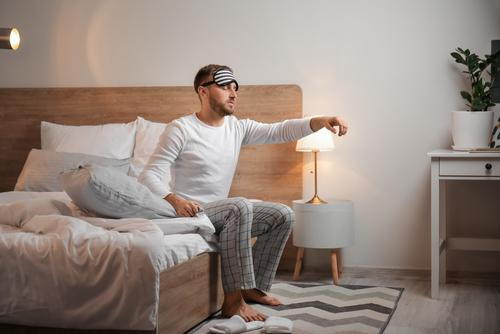
The Brain Science of Sleep Walking: How the Brain Works During Episodes
Sleepwalking, also known as somnambulism, is a sleep disorder that affects children and adults. It occurs during deep sleep and can involve anything from simply rising from bed to walking around the house or even performing complex tasks at night. At Florida Sleep Specialists in Bradenton and Sarasota, FL, Dr. Jeremy McConnell informs patients about the causes of this condition and how to manage it effectively.
What Does the Brain Do During Sleep Walking
Sleep occurs in phases, including non-rapid eye movement and rapid eye movement. Sleepwalking occurs in the deeper phases of non-rapid eye movement, primarily during the early part of the night. During these phases, the brain is in a state where some areas remain asleep while others wake up. As a result, the body can perform movements without awareness or recall.
Studies indicate that sleepwalking is caused by partial arousal from deep sleep as the brain cycles through different sleep phases in a disrupted manner. Instead of fully awakening, the brain's movement and behavior control centers activate while higher-level thinking and awareness remain dormant. This fragmentation can lead to unusual and sometimes harmful actions without the subject's knowledge.
Causes of Sleep Walking
Several factors can contribute to sleepwalking, including hereditary factors, sleep deprivation, and stress. Individuals with a family history of sleepwalking are more likely to experience the condition. Other triggers may include:
- Irregular sleep schedules
- Poor sleeping habits
- Fever or illness, particularly in children
- Alcohol or drugs affecting the normal sleep cycle
- Sleep disorders such as obstructive sleep apnea or restless leg syndrome
Managing and Treating Episodes of Sleepwalking
While sleepwalking is generally benign, it can sometimes lead to injury or disruptive behavior. Frequent occurrences may require identifying triggers and seeking appropriate treatment. Establishing a consistent sleep pattern, reducing stress, and creating a safe sleeping environment can help prevent episodes. A sleep specialist may recommend behavioral therapy, medication, or a sleep study to assess underlying conditions in chronic cases.
Consult With Our Bradenton and Sarasota, FL Expert
If you or a family member experiences recurring bouts of sleepwalking, a professional diagnosis can help determine the cause and best treatment approach. Dr. Jeremy D. McConnell at Florida Sleep Specialists specializes in diagnosing and managing sleep disorders through state-of-the-art assessments and personalized treatment plans.
To schedule an appointment, call 941-792-8383 or 941-827-0701 today and take the first step toward better sleep health.